On-demand webinar coming soon...

Blog

Governance at the speed of AI: The next chapter for OneTrust

Governance is entering a new era. Meet the new OneTrust and the operating model built for governing data and AI at machine speed.

Michael Schanker
Chief Marketing Officer
March 23, 2026

Overhead photo of three people walking through an office park


What if important decisions in your organization are already being made by AI systems that haven't been properly governed?

Across industries, AI systems now shape everything from customer experiences to operational workflows. They recommend actions, personalize interactions, approve transactions, and help teams move faster than ever before. Many of those decisions depend on how data is used, shared, and governed across the organization.

But the way most organizations approach governance was designed for a different environment.

Traditional governance programs were built around periodic reviews, static systems, and manual processes. Teams catalog assets, perform assessments, document controls, and revisit those decisions weeks or months later. That model worked when systems changed slowly and most decisions were made by humans.

Today, systems evolve constantly. New AI use cases appear faster than governance teams can review them, and decisions that once happened occasionally now happen thousands of times each day.

The challenge many organizations face is not a lack of governance. It’s that the governance model itself no longer matches the pace of technology.


At a Glance

  • A clearer focus on AI-Ready Governance, the operating model organizations need to govern data and AI at machine speed.
  • The continued evolution of the OneTrust platform, bringing together privacy, risk, data governance, compliance, and AI governance into a unified platform.
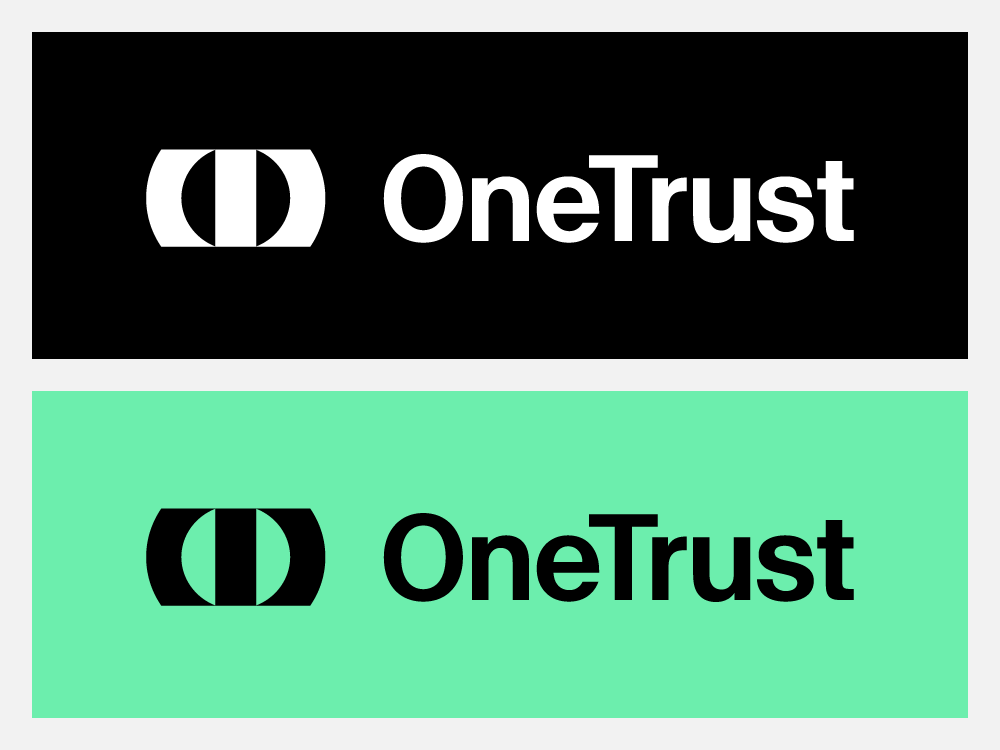
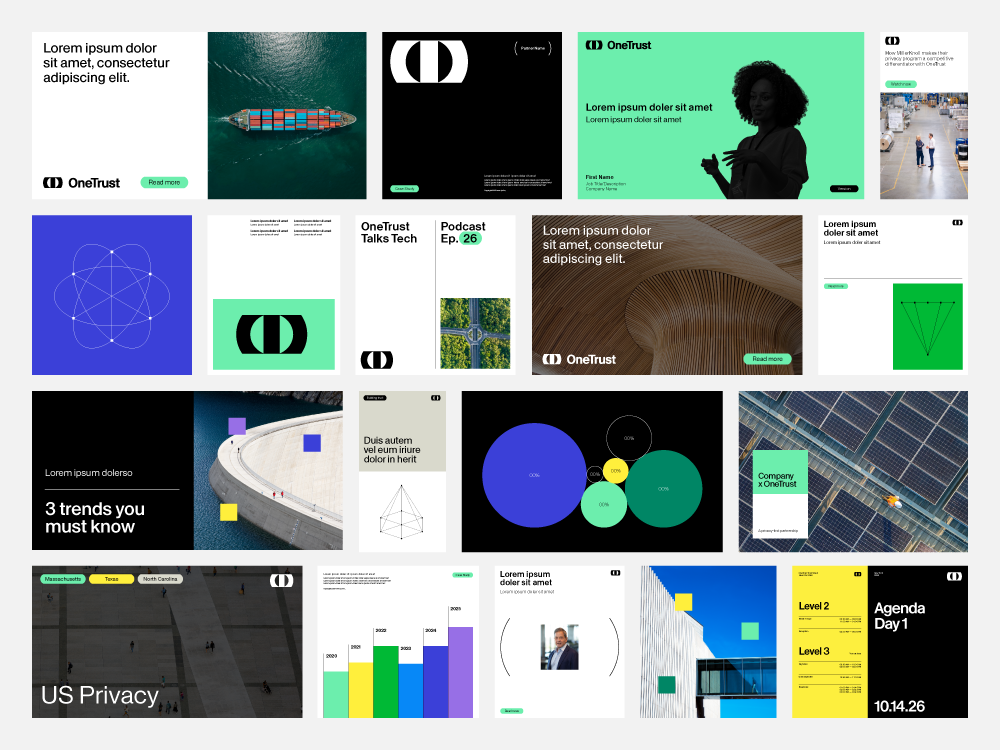
  • A new OneTrust brand identity, including a new logo, visual system, and color palette designed to reflect the next era of responsible data and AI governance.
  • No disruption to existing product functionality, meaning customers can continue using OneTrust exactly as they do today while we expand capabilities over time.


A New Moment for Governance

AI is no longer confined to experiments or innovation labs. It’s embedded in products, services, and internal operations across the enterprise.

At the same time, the consequences of getting governance wrong have grown more visible. Improper use of data in AI systems can lead to regulatory scrutiny, reputational damage, or even the forced deletion of models that were trained on data used incorrectly. Recovering from those mistakes can set organizations back months or years.

Because of this shift, organizations are rethinking how governance works.

For many years, success in governance was measured by documentation. Policies were written, assessments were completed, and controls were recorded. Those artifacts still matter, but they are no longer enough on their own.

In an AI-driven environment, governance is increasingly judged by outcomes. Did the program prevent misuse before it occurred? Did it enable innovation while protecting trust? Did it help the business move forward with clarity rather than uncertainty?

Answering those questions requires a different approach.

We call it AI-Ready Governance.


What AI-Ready Governance Means

AI-Ready Governance represents a shift in how digital governance operates and what it enables inside an organization.

Instead of relying primarily on manual reviews and periodic checkpoints, governance becomes continuous. Teams maintain visibility into how data and AI systems are used as those systems evolve, rather than reconstructing events long after they occur.

This model also moves governance from documentation to prevention. Policies and assessments still play a role, but they are connected to guardrails that help prevent misuse before it creates risk for the business or its customers.

Equally important, governance evolves from being seen as a gatekeeper to becoming a business enabler. When teams have clear guardrails and shared understanding of how data and AI should be used, they can move forward with new initiatives faster and with greater confidence.

AI-Ready Governance also reflects the reality that governance is no longer the responsibility of a single team. Privacy leaders, security teams, risk professionals, data leaders, compliance teams, and business stakeholders all play a role in shaping how AI is used responsibly.

Automation helps manage routine governance tasks, while human judgment remains central to ethical decisions and high-risk evaluations that require expertise and context.


The OneTrust AI-Ready Governance Platform™

The OneTrust AI-Ready Governance Platform™ brings together the capabilities organizations need to oversee data and AI across the enterprise while continuing to move quickly.

At its core, the platform helps organizations understand how data and AI are used, apply governance decisions consistently across the business, and enforce those decisions directly within the systems where risk occurs.

Instead of relying on static documentation and periodic reviews, governance teams gain continuous visibility into how data and AI systems evolve across the enterprise. This allows organizations to identify potential risks earlier, respond faster, and maintain confidence in how AI is deployed.

Automation and intelligent workflows help governance programs keep pace with the growing number of AI initiatives, vendors, and data use cases. Governance teams can focus their expertise where it matters most rather than managing manual processes.

And by embedding guardrails directly into the systems where data and AI operate, organizations can prevent misuse before it happens rather than discovering problems after the fact.

Together, these capabilities help organizations move beyond reactive compliance and toward governance that enables responsible innovation.


Introducing the New OneTrust

As organizations adopt new approaches to governing data and AI, OneTrust is evolving alongside them.

Today we’re introducing the next evolution of OneTrust. You’ll see a refreshed visual identity across our website, platform, and communications. This update reflects how OneTrust is evolving to support governance in the age of AI.

At the center of the new brand is our updated logo. The symbol is a stylized fusion of the O and T in OneTrust, constructed as a single vertical pillar framed by two dynamic curves. Together they form a globe-like mark that represents protection and stewardship, while the surrounding motion suggests momentum and possibility.

It reflects the confidence organizations need to govern responsibly while continuing to move forward.

Alongside the logo, we’re introducing an updated color system. Anchored in black and white with mint as our core brand color, the palette brings clarity and energy to how the OneTrust brand shows up across digital experiences.

While the look of the brand is evolving, the mission behind it remains the same: enabling innovation through the responsible use of data and AI.


 

What Customers Can Expect

As part of this brand update, customers will notice a refreshed look and feel across our website, communications, and product experiences. The new brand reflects our focus on AI-Ready Governance and the expanding role OneTrust plays in helping organizations manage data and AI responsibly.

What will not change is the functionality customers rely on today.

Your existing workflows, capabilities, and product functionality remain the same. The platform you use today will continue operating as expected, and our teams will keep investing in the capabilities that help you govern data and AI effectively.

This update clarifies where OneTrust is headed while continuing to strengthen the platform our customers already trust.


The Work Ahead

While today marks an important milestone, it’s only the beginning.

As organizations continue adopting AI across their operations, governance will play an increasingly important role in helping them move forward with confidence. Over the coming months you’ll see continued improvements across the OneTrust platform as we expand what AI-Ready Governance makes possible.

AI will shape the next decade of innovation. Governance will determine how responsibly that innovation unfolds. We’re proud to help build that future together.


FAQs


AI-Ready Governance is a modern digital governance model designed for the age of AI. It enables organizations to oversee how data and AI systems operate continuously rather than through periodic reviews. By combining visibility across digital risk domains, automation, and embedded guardrails, AI-Ready Governance helps organizations innovate with AI and while preventing data misuse, reducing risk, and protecting trust.

AI governance refers to the policies, processes, and controls organizations use to ensure artificial intelligence systems are developed and used responsibly. It includes managing risks related to data usage, model behavior, transparency, regulatory compliance, and ethical considerations. To operationalize these practices at scale, many organizations implement AI governance software that helps inventory AI systems, assess risk, automate compliance workflows, and monitor models throughout the AI lifecycle.

Data governance focuses on how data is collected, managed, and protected across an organization. It establishes policies for data quality, access, privacy, and lifecycle management to ensure data is reliable and used responsibly.


AI governance builds on that foundation by overseeing how artificial intelligence systems are developed, trained, and deployed. It addresses risks related to model behavior, data usage in AI systems, fairness, transparency, and regulatory compliance.


AI-Ready Governance extends these practices by enabling continuous oversight of how data and AI systems operate. It connects governance policies, automation, and technical controls so organizations can prevent misuse, manage risk, and support responsible AI innovation at scale.

AI systems increasingly influence business decisions, customer experiences, and operational processes. Without governance, organizations risk improper data usage, regulatory violations, biased outcomes, or reputational damage. AI governance helps organizations manage these risks while enabling teams to innovate with confidence and maintain trust with customers, regulators, and partners.

Traditional governance relies heavily on documentation, manual reviews, and periodic assessments. AI-Ready Governance introduces continuous oversight and programmatic controls that operate alongside data and AI systems. This allows organizations to identify risks earlier, enforce policies more consistently, and support innovation without slowing down development.

An AI governance platform helps organizations understand how AI systems and data are used across the enterprise. These platforms typically provide visibility into models, data sources, and risk signals while enabling teams to apply governance policies, automate oversight workflows, and enforce controls directly within the systems where AI operates.

AI governance is typically shared across multiple teams including privacy, risk, security, compliance, data governance, and business leadership. Effective governance requires these groups to collaborate within a common framework that defines policies, assigns accountability, and ensures AI systems are used responsibly across the organization.

Organizations preparing for AI governance regulations should begin by identifying where AI is used across the business and assessing the risks associated with those systems. This typically includes documenting AI use cases, establishing governance policies, implementing monitoring controls, and creating processes for oversight and accountability as regulatory expectations evolve.

Organizations evaluating AI governance platforms should look for solutions that provide visibility into AI systems and data usage, automate governance workflows, and enable policy enforcement within technical environments. Effective platforms also help teams manage risk across the AI lifecycle, from development and data usage to deployment and ongoing monitoring.


You may also like