Impact at a Glance
- Unified privacy governance across 100+ countries
- 95%+ reuse of centrally created assessment data
- 70-80% reuse of processing activity records
- Improved audit readiness through centralized reporting and evidence management
- Scalable foundation for GDPR, LGPD, PIPL, POPIA, APPI, and emerging AI regulations
Managing millions of data points across more than 400,000 connected vehicles is not just an operational task. For Scania, it is a global responsibility and a growing compliance challenge.
That responsibility builds on more than 130 years of moving people, goods, and industries around the world. Founded in 1891 and headquartered near Stockholm, Sweden, Scania has grown into one of the world’s leading providers of sustainable transportation solutions, operating in more than 100 countries with a portfolio that includes heavy-duty trucks, buses, engines, and connected mobility services.
Respect for the individual has long been a core value at Scania, with privacy embedded into how the company operates. As the business has scaled, managing data consistently and responsibly has become a global priority.
“Privacy was embedded in our DNA even before many of today’s regulations existed,” says Manuel Manuel, AI and Data Protection Specialist at Scania.
As transportation becomes increasingly digital, that responsibility now extends far beyond manufacturing vehicles. Today, more than 400,000 connected vehicles generate continuous streams of telematics data, used to improve fuel efficiency, vehicle performance, maintenance planning, and driver safety.
Managing that data responsibly is now central to how Scania operates globally.
From Local Solutions to Global Governance
When GDPR came into force in 2018, Scania faced a challenge familiar to many multinational organizations. While privacy programs existed across the business, they were managed differently from market to market. Regional teams often relied on spreadsheets, SharePoint sites, and locally developed processes to manage assessments, incidents, records of processing activities, and privacy requests.
“We were working in silos,” Manuel recalls. “We were not aware what our markets were doing, what they were using to run the privacy program, and we had concerns about accountability and visibility.”
The decentralized approach created challenges around audit readiness, consistency, and reporting. Demonstrating compliance often required collecting information from multiple systems and stakeholders across different countries. Maintaining accurate records became increasingly difficult as regulations expanded globally.
Scania needed a platform capable of providing global visibility while allowing local teams to operate efficiently.
"We needed a centralized place to map our data, automate assessments, manage incidents and manage data subject access rights"
– Manuel Manuel, AI and Data Protection Specialist, Scania
After a formal evaluation process in 2019, Scania selected OneTrust as the foundation for its global privacy program.
Creating a Single Source of Truth
What stood out was OneTrust’s ability to bring inventories, assessments, risks, assets, vendors, and compliance workflows together in a single ecosystem. “Rather than managing privacy through disconnected tools, we established a centralized operational model that supported teams worldwide.”, says Manuel.
The platform’s global capabilities were equally important. Scania needed to support regulatory requirements across multiple jurisdictions, including GDPR in Europe, LGPD in Brazil, POPIA in South Africa, APPI in Japan, and PIPL in China. OneTrust provided the flexibility to support regional requirements while maintaining consistent governance standards globally.
Implementation began in 2019 with Data Mapping, Privacy Impact Assessments, Incident Management, Privacy Rights Automation, Universal Consent & Preference Management, and Cookie Consent solutions. The rollout expanded in phases across Europe, Asia-Pacific, Latin America, the Middle East, and Africa.
Today, Scania’s Digital Compliance Central team establishes governance frameworks and standards, while local Digital Compliance Coordinators manage execution within their regions.

Delivering Efficiency at Global Scale
The impact has been significant.
Before OneTrust, local teams frequently recreated assessments and documentation independently. Today, teams can leverage centrally managed templates and records, dramatically reducing manual work and increasing consistency.
According to Manuel, regional teams can now reuse more than 95% of centrally created assessment data and approximately 70-80% of processing activity information.
Many local privacy coordinators also hold responsibilities in IT, security, finance, or business operations. Automation allows them to spend less time managing compliance administration and more time supporting business priorities.
“OneTrust helped them automate their work so that they can focus more on their additional job and do the creative work.”
– Manuel Manuel, AI and Data Protection Specialist, Scania
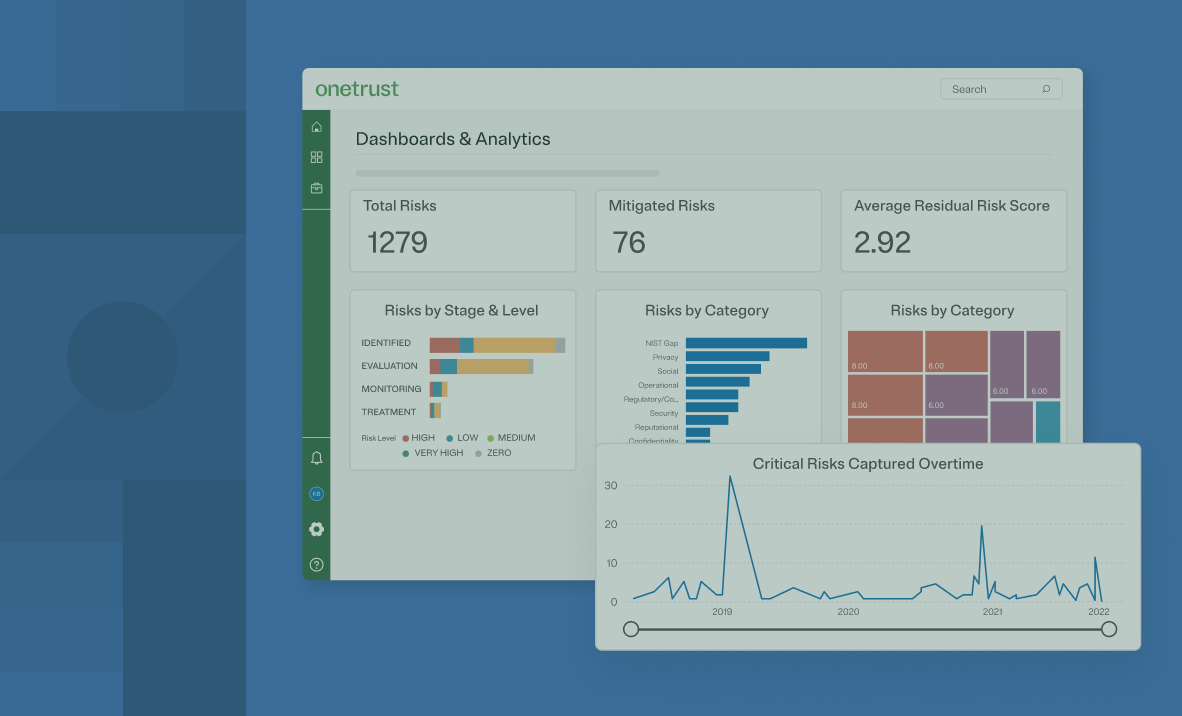
The platform has also improved audit readiness. Auditors and compliance teams can access centralized dashboards, evidence repositories, reporting, and audit trails rather than searching across multiple systems and locations.
Preparing for the Next Era of Compliance
Building on this foundation, Scania is now preparing for the next era of digital compliance. In 2025, the organization renamed its department from Privacy and Data Protection to Digital Compliance Central, reflecting a broader focus that now includes AI governance and emerging digital regulations.
The company is currently evaluating OneTrust AI Governance capabilities to help address requirements associated with the EU AI Act and future regulatory framew orks.
For Manuel, however, the mission remains unchanged.
“Privacy is not just about compliance. It is about a fundamental right.”
As connected transportation, artificial intelligence, and global regulations continue to evolve, Scania is building on a centralized compliance foundation designed not only to meet today’s requirements, but to support the next generation of responsible innovation.